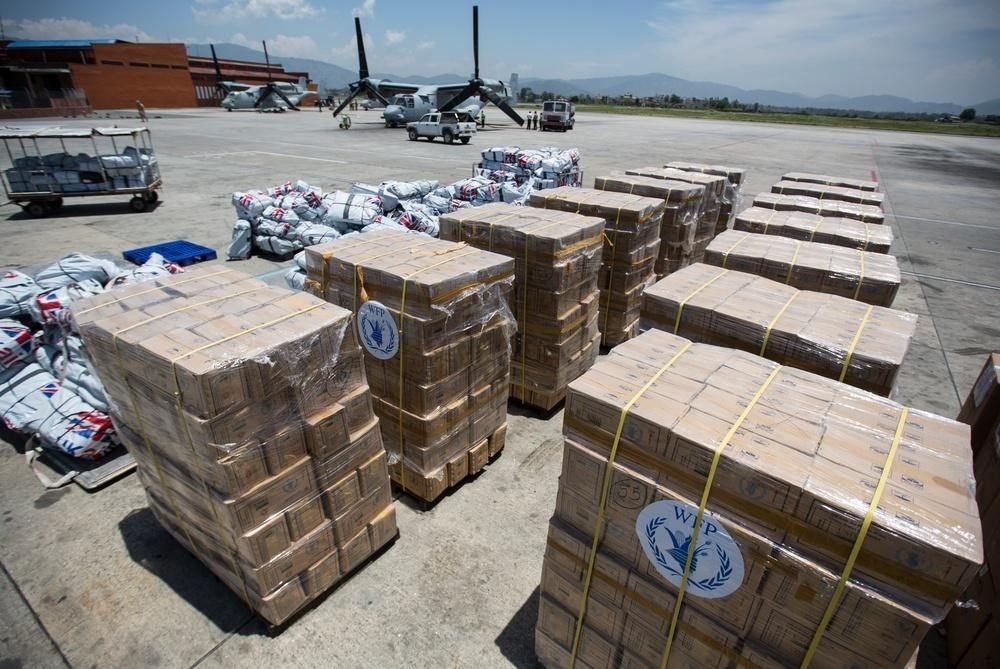
Humanitarian organisations in Asia-Pacific are directing attention toward action before disasters intensify, as climate risks place pressure on households and aid budgets. In a 30 June 2026 statement, the International Federation of Red Cross and Red Crescent Societies said it was expanding early action as El Niño conditions developed across the region.
The federation warned of drought, extreme heat and food-security pressures, while noting that the pattern of impacts would differ between countries. Lower rainfall could threaten water supplies and rural livelihoods in parts of Southeast Asia and the Pacific, even as other places faced heavier rain or flooding.
Its response includes stronger early-warning systems, support for access to water, cash and livelihoods assistance, and community health measures. These are preparedness and response activities described by the organisation, rather than evidence that every projected weather outcome has occurred.
A separate IFRC statement on 7 May set out the operational side of the funding approach. Its regional preparedness programme mapped response assets, coordinated technical support and used a common readiness tool to improve deployment. The federation also identified uneven preparedness in contingency planning and enabling systems.
For charities and donors, the two statements connect climate exposure with the way assistance is organised. Funding logistics, training and local capacity before an emergency can be as consequential as buying supplies afterward. The documents set out IFRC’s case for that approach; they do not provide a universal financial return for each dollar donated or an independently audited comparison of all interventions.