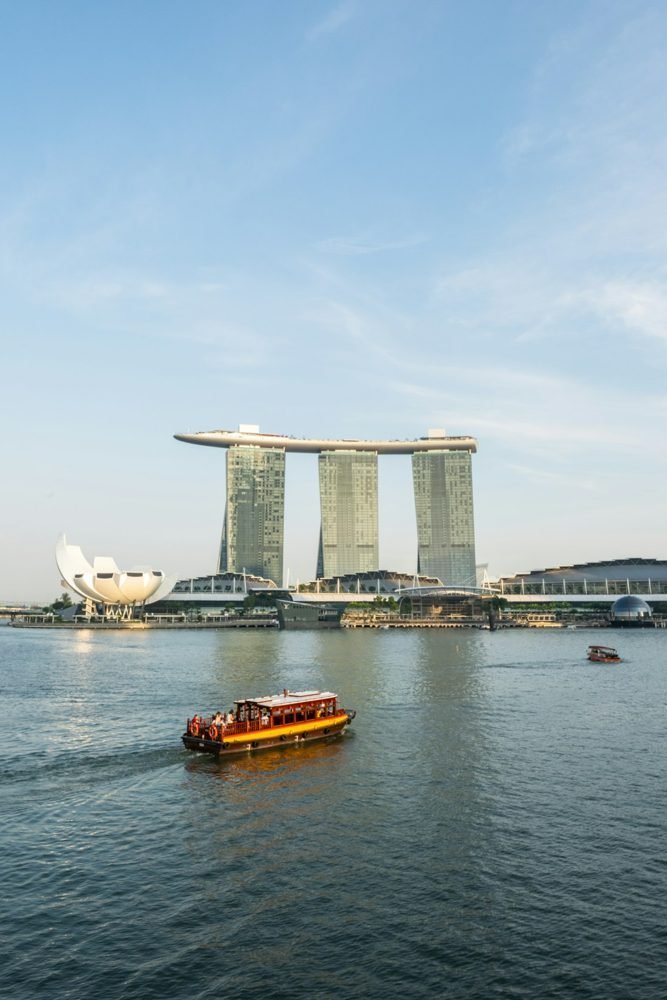
Singapore grows 5.4% as manufacturing momentum eases
Advance third-quarter estimates show continued expansion, with a pullback in manufacturing from the previous quarter.
Economy, business, finance, entrepreneurship and impact across Asia and the Pacific. Dated, source-based briefings with direct links to original releases.
Advance third-quarter estimates show continued expansion, with a pullback in manufacturing from the previous quarter.

The September survey rose to 50.1, while employment and smaller-enterprise readings remained below the threshold.

A Finance Ministry disclosure records 554.9 million onboarded users and outlines safeguards for the digital payments network.
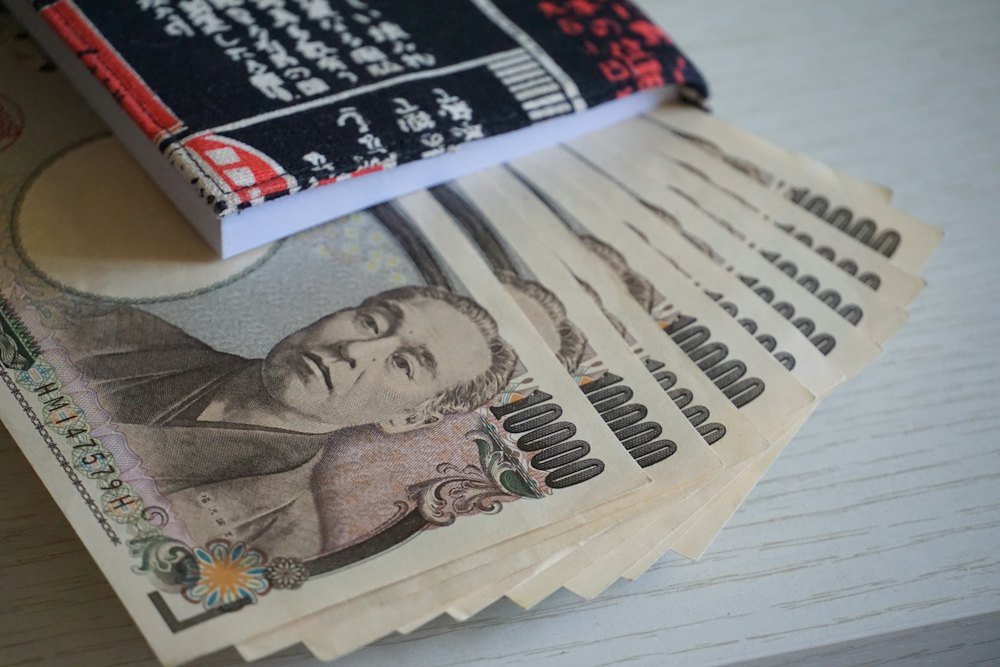
The policy rate moved to around 1.25%, while published opinions reveal disagreement over the strength of domestic demand.

Part-time employment fell, while the statistics bureau urges caution over monthly volatility and survey changes.
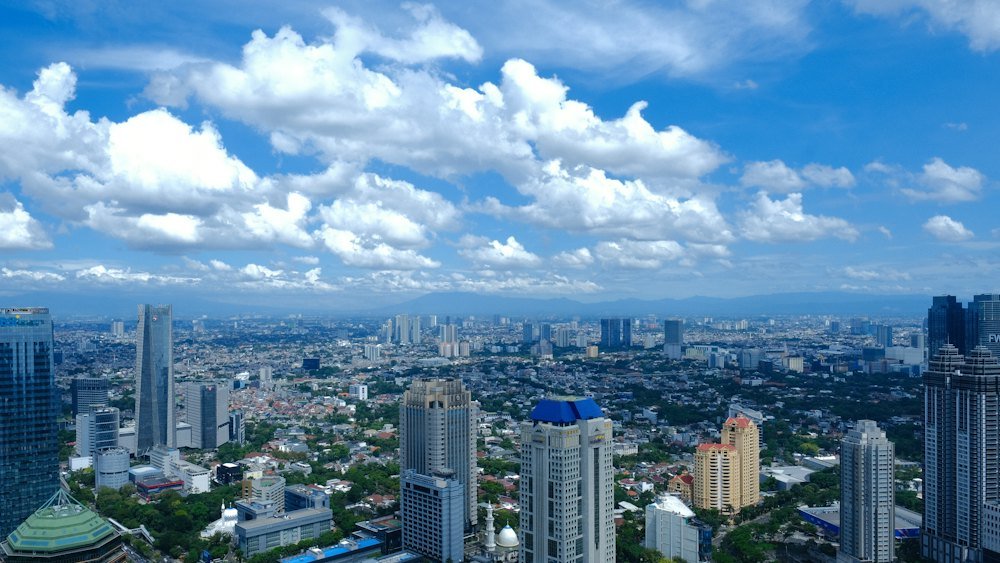
Bank Indonesia combines a 5.75% rate with measures aimed at capital inflows, lending and digital payments.
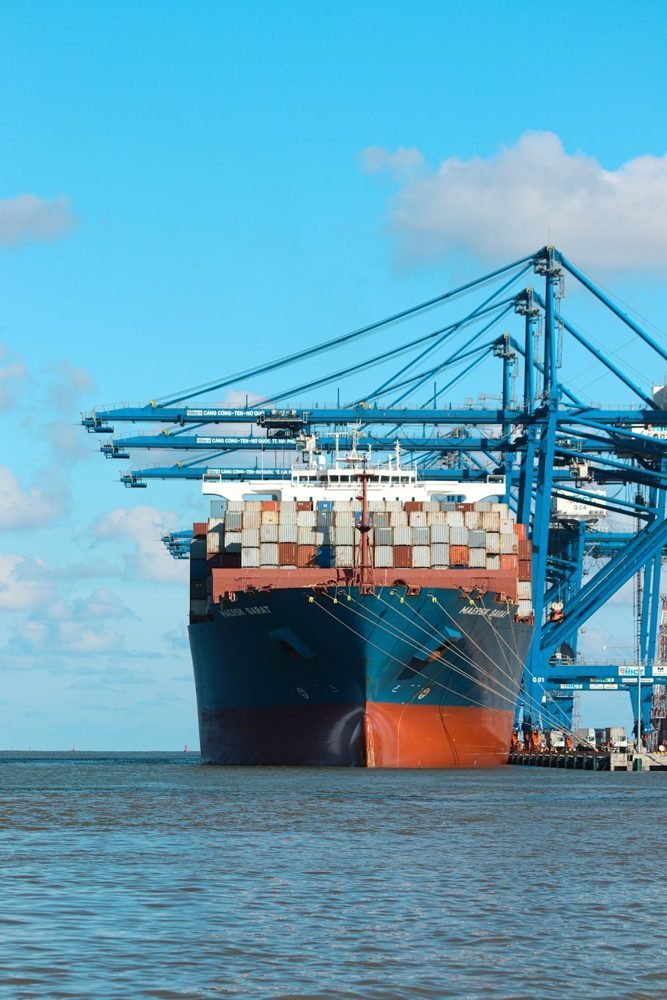
Three World Bank-backed projects target Hai Phong transport, Mekong roads and sustainable fisheries.

The early estimate points to continued expansion, with a fuller GDP release scheduled for November.
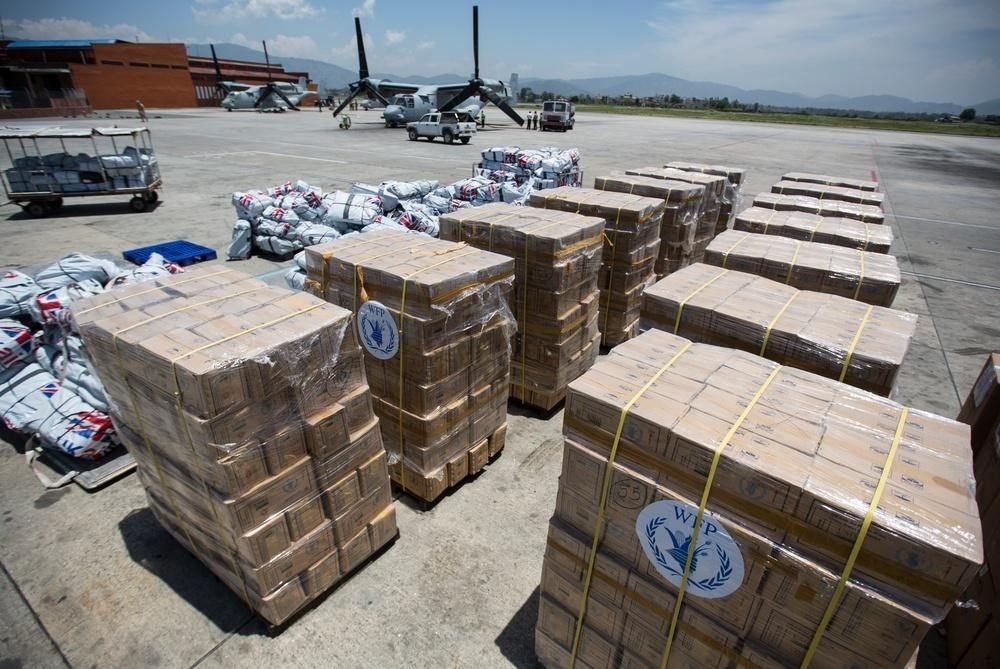
IFRC’s preparedness programme and El Niño warning highlight the economic value of protecting livelihoods before emergencies deepen.
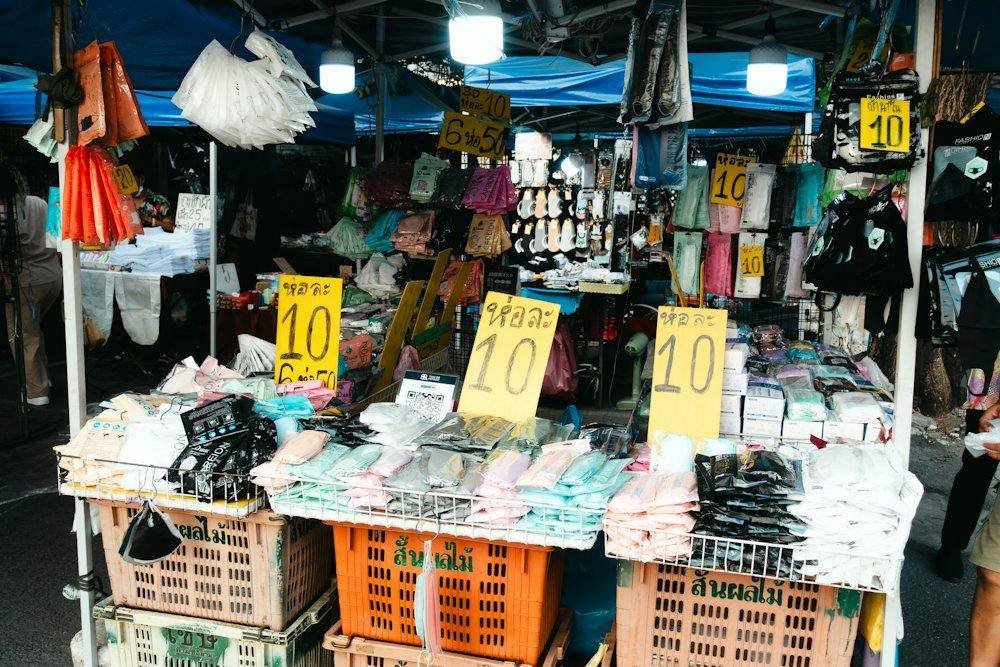
ADB’s 2025 enterprise monitor connects finance with innovation, manufacturing and the resilience of everyday businesses.

A practical guide to the timing of cash, working capital and the questions to ask before expanding.

Look at an organisation’s purpose, reporting and results to understand how a donation can support its work.

Assets, liabilities and equity provide a snapshot. The more revealing questions often concern what has changed.
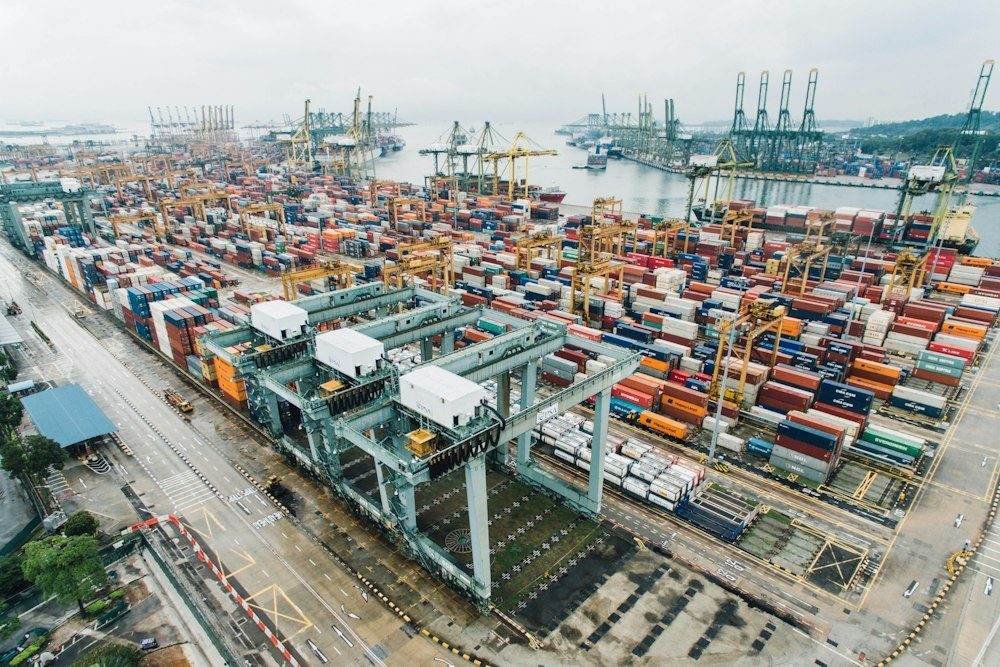
A January 2025 maritime review recorded rising cargo volumes, fuel sales and maritime business spending.

The MAS initiative combined international forums, advisory work, digital platforms and investment ambitions.

The January 2025 release showed stronger fourth-quarter growth alongside continuing property-sector weakness.

Electrified vehicles gained share even as the overall automobile market slipped slightly from a year earlier.
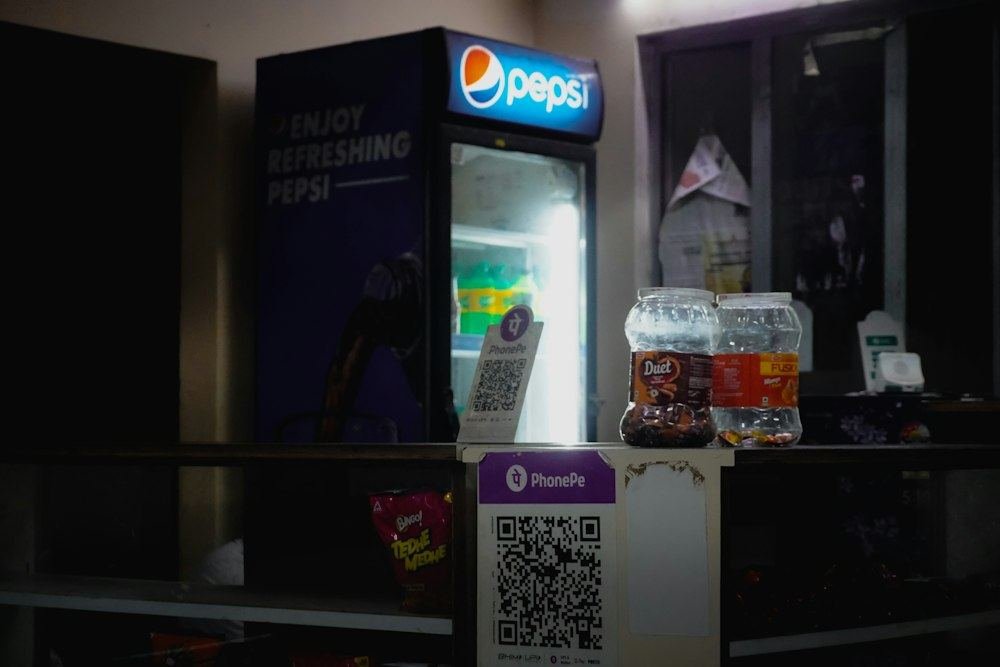
Government figures documented rapid payment-system growth, with annual UPI volume reaching about 172 billion transactions.

The government’s nine-year review highlighted jobs, women directors and the spread of entrepreneurship beyond major cities.

The Bank of Japan shifted to a short-term rate target while retaining support through government bond purchases.

January 2025 tourism estimates showed arrivals above both 2023 and the pre-pandemic 2019 benchmark.

The RBA lowered its cash rate target to 4.10%, while remaining cautious about further easing.

The March 2025 ABS release showed public and private spending supporting growth.

The February 2025 statistics release showed stable expansion and a large economic contribution from Java.
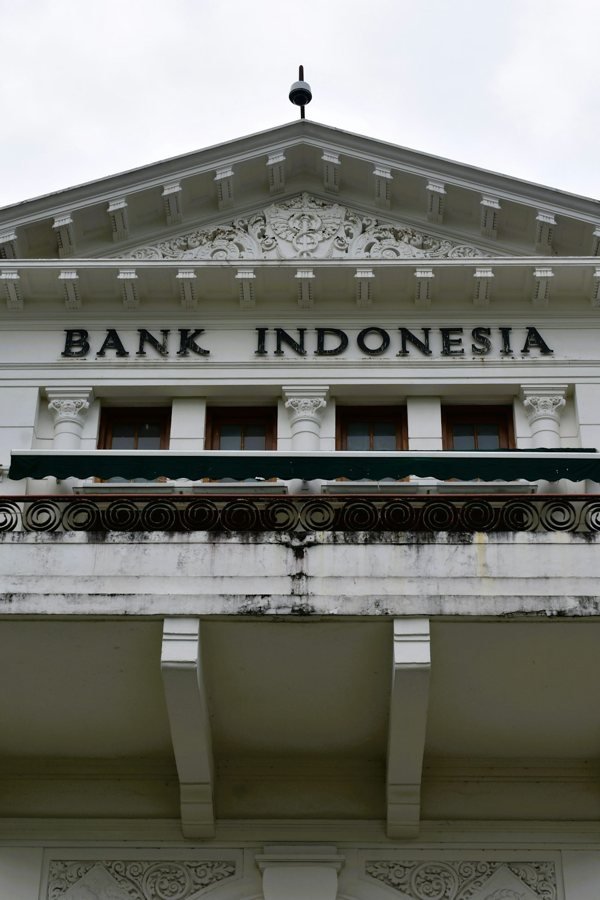
The central bank paired monetary easing with support for lending, small businesses and digital payments.
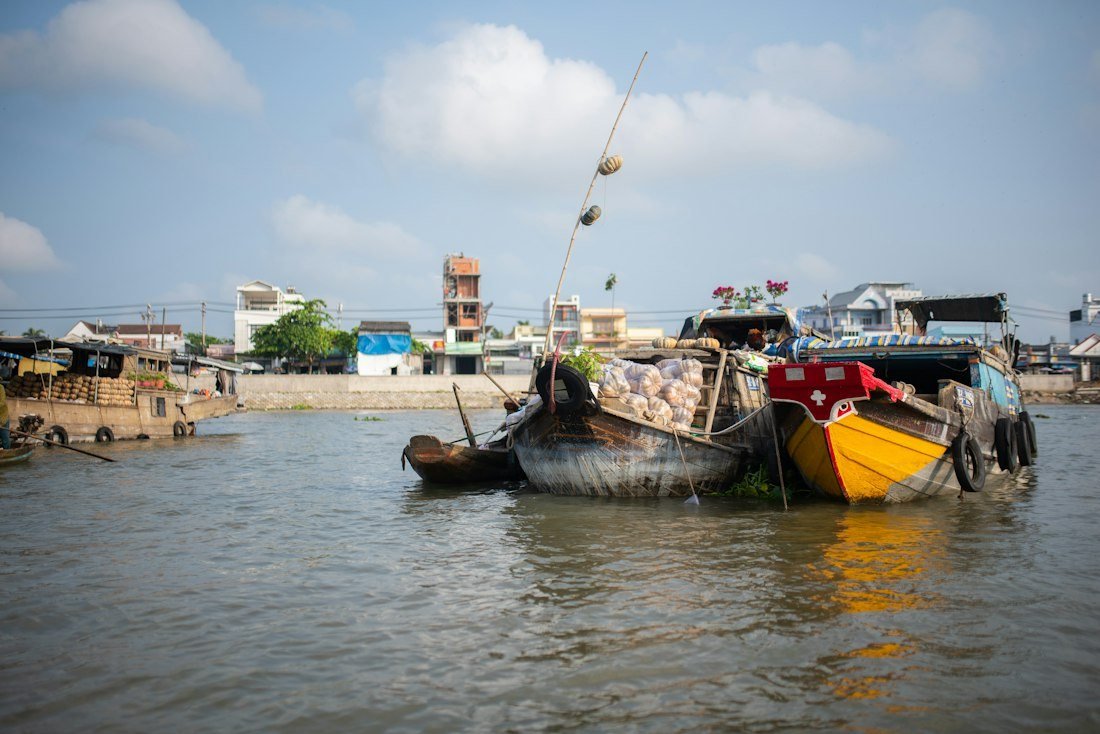
The World Bank-backed project targeted freight efficiency, safer navigation and lower transport emissions.
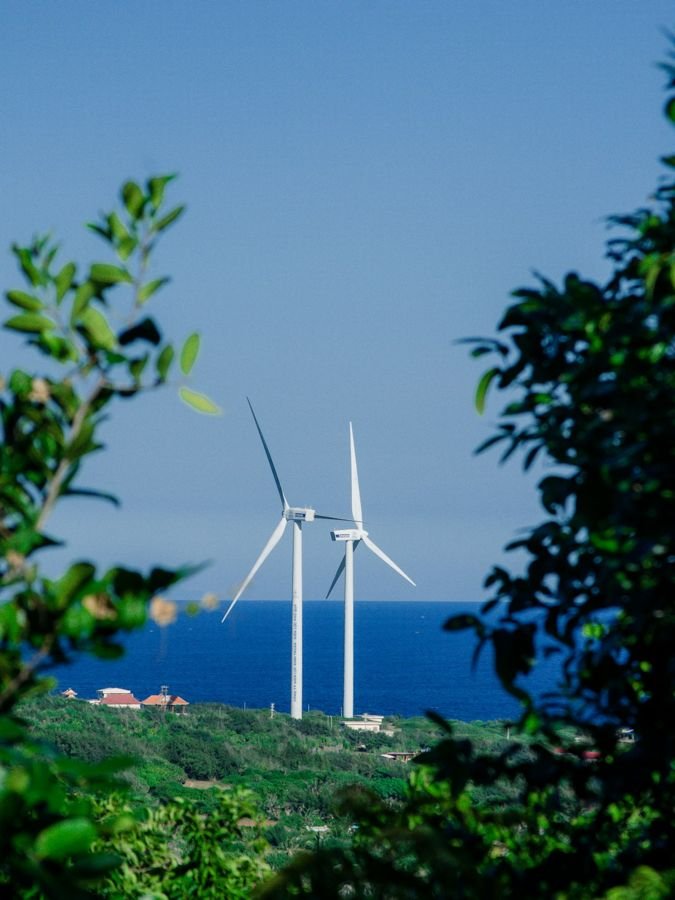
A US$263.9 million World Bank operation supported tax, childcare, digital services and energy reforms.
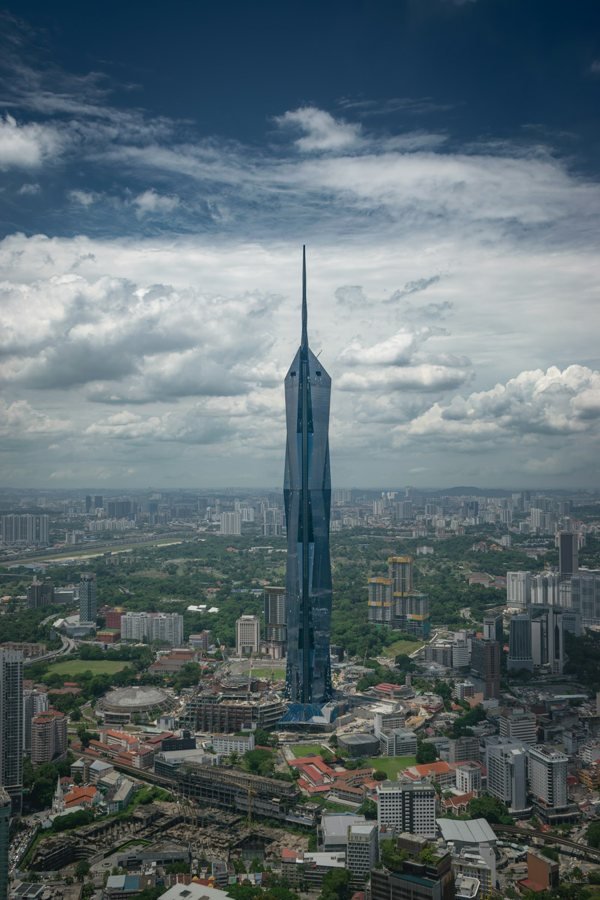
The February 2025 release showed construction and capital spending supporting a stronger annual result.

The plan combined a first Malaysian data centre and cloud region with AI education programmes.
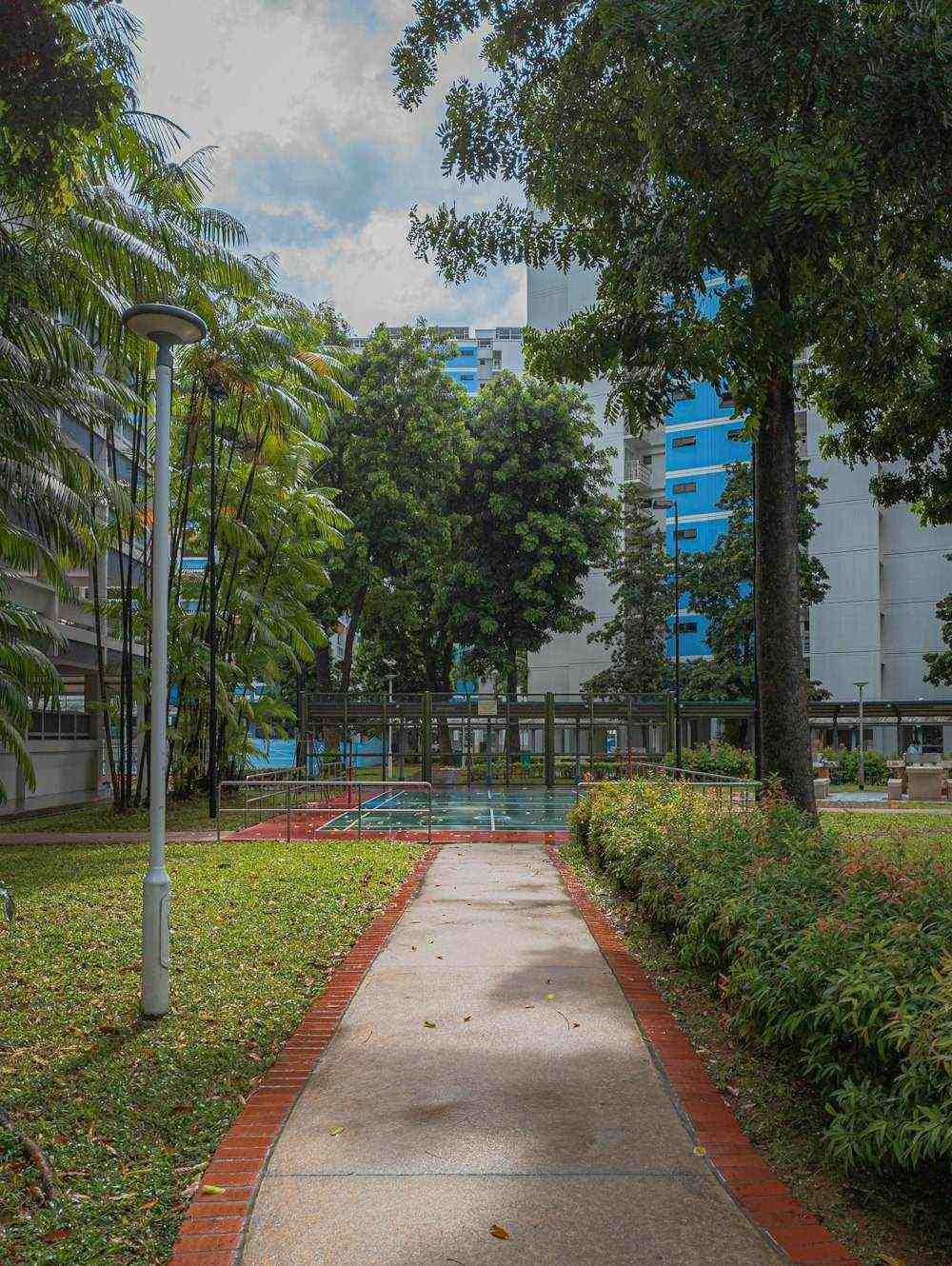
Temasek Foundation’s 2024 plans paired practical financial tools with support for local community projects.
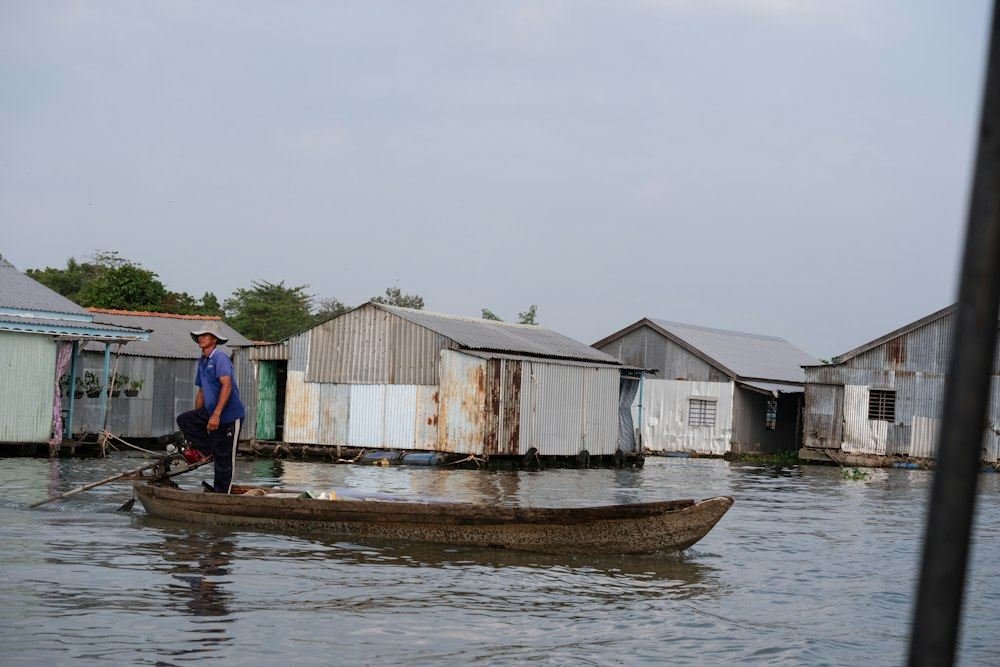
The September 2024 response prioritised safe water for hospitals, households and schools in northern provinces.

Its June 2024 release showed continued donations alongside a fall in giving compared with an earlier period.
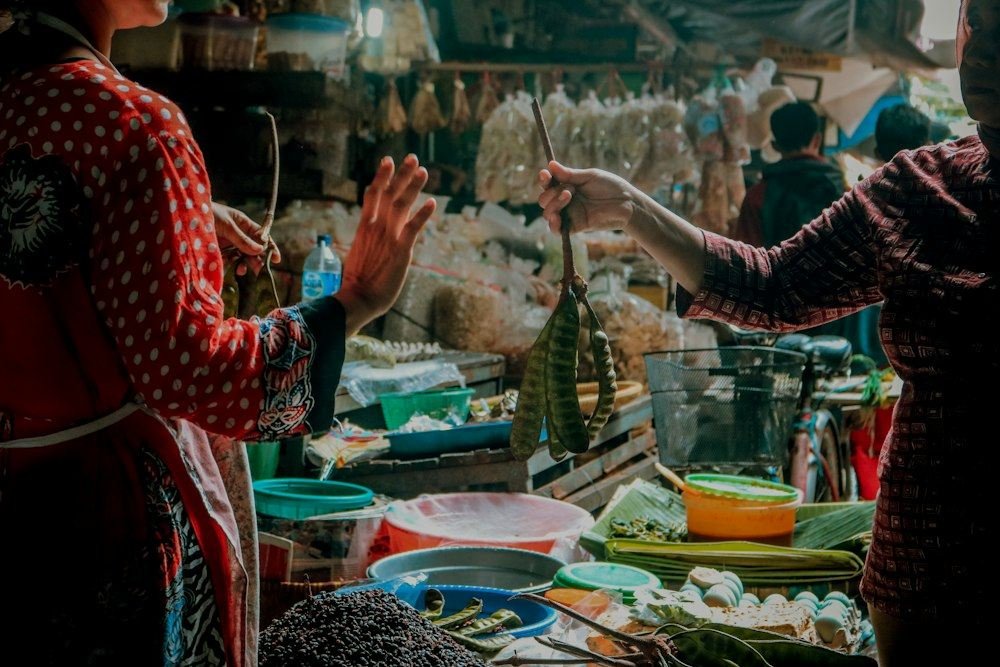
A three-year partnership combined digital marketing, business training and individual mentoring for small enterprises.
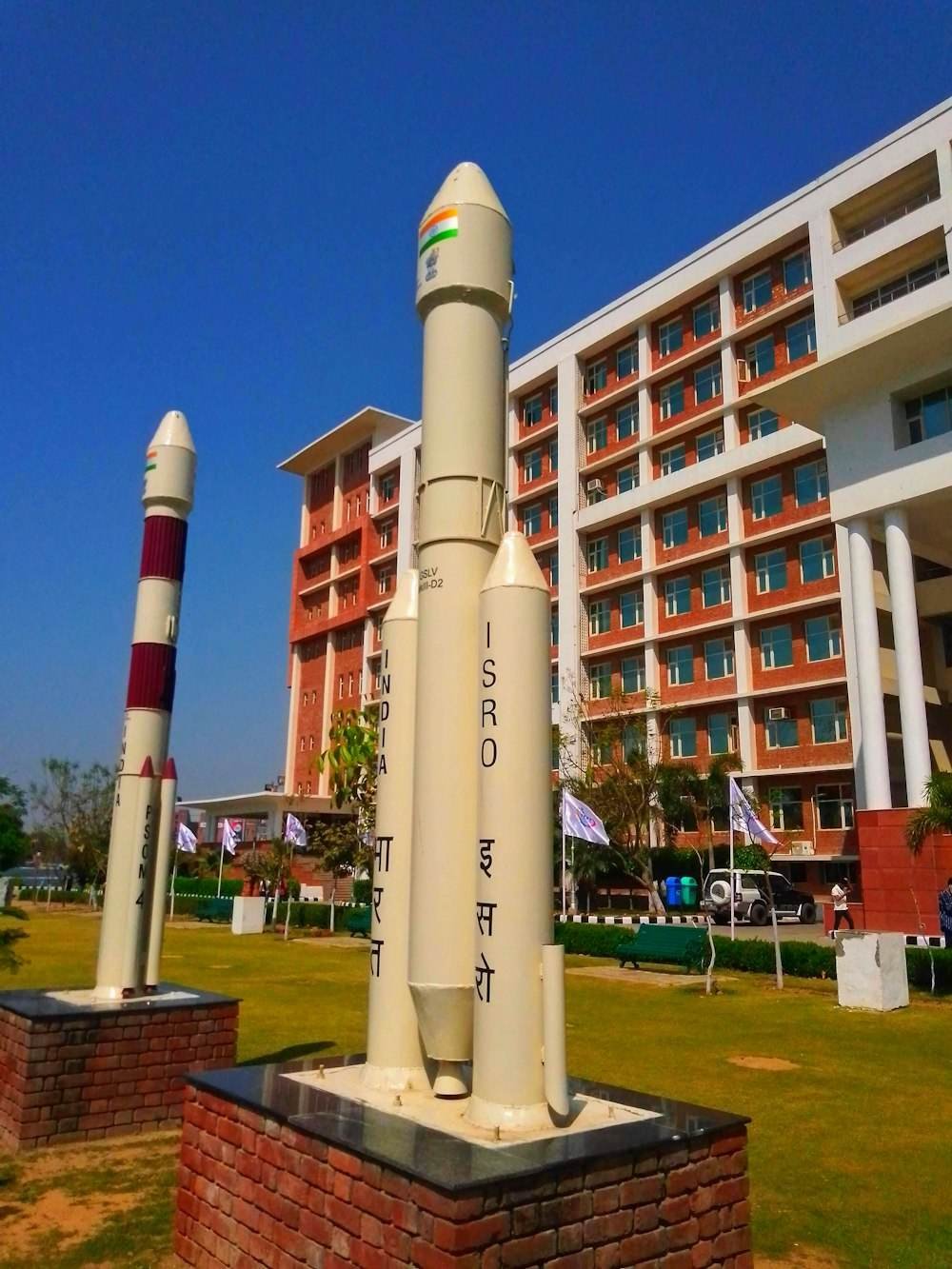
The October 2024 Cabinet decision aimed to supply risk capital to companies across the space industry.

J-Startup Impact combined commercial growth support with help measuring social and environmental outcomes.

One of Southeast Asia's largest economies runs on manufacturing, tourism and agriculture. A plain guide to how it fits together and the challenges ahead.

Tourism is one of the pillars of the Thai economy, supporting millions of livelihoods. Here is how it works, why it is powerful and where it is vulnerable.
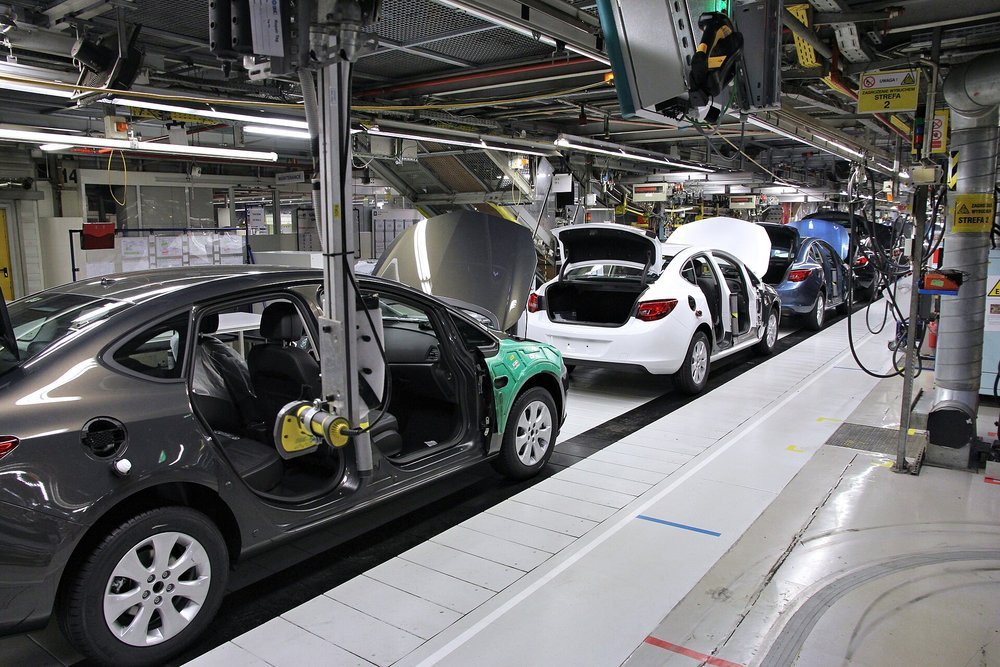
Sometimes called the 'Detroit of Asia', Thailand is a major base for carmaking, electronics and exports. A guide to how it got there and what comes next.
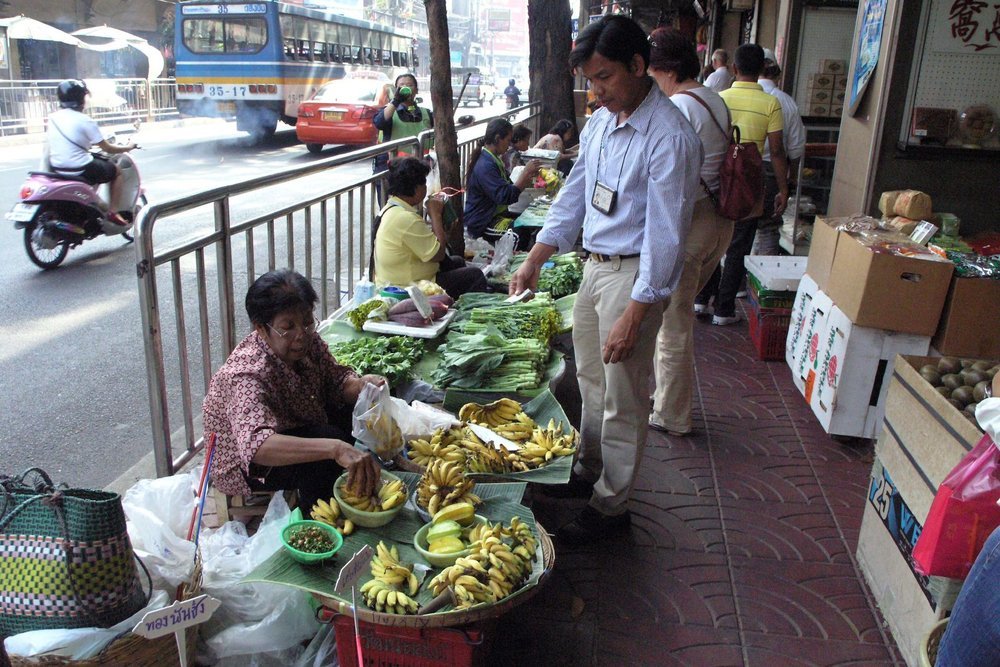
Small and medium enterprises are the backbone of Thai employment. A practical look at the financing hurdles they face and the tools now changing the picture.
From the central bank's role to a popular instant-payment network and the question of household debt, a guide to how money works in Thailand.