Thailand is one of Southeast Asia's most important manufacturing and export bases. It is sometimes nicknamed the 'Detroit of Asia' for its large automotive industry, but its factories make far more than cars, and understanding this industrial base is key to understanding the wider economy.
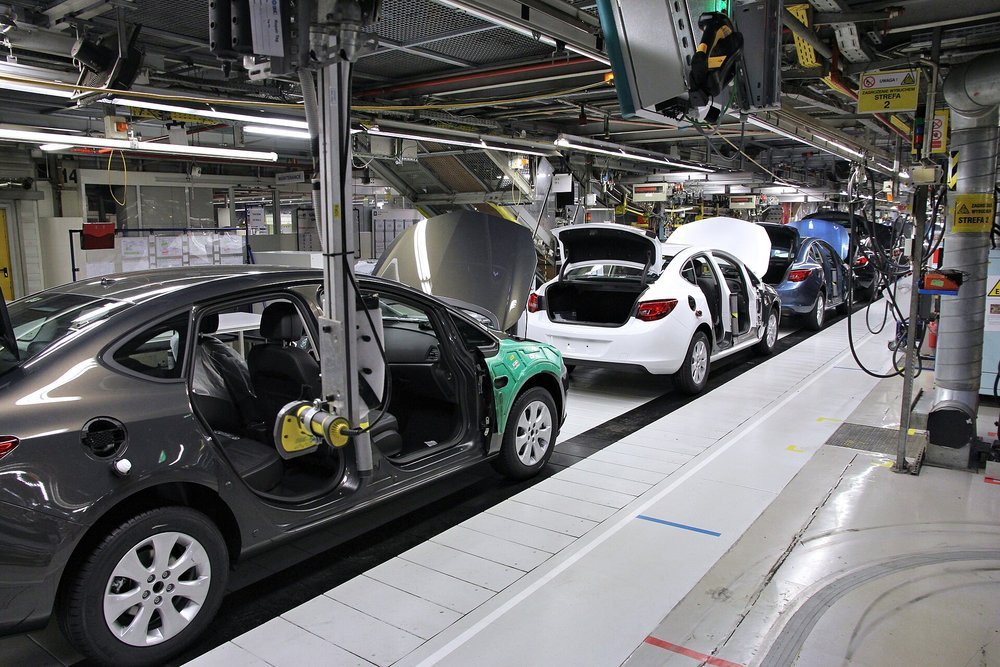
The automotive sector is the headline act. Thailand hosts assembly plants for a range of international carmakers alongside a deep network of parts suppliers. That combination — final assembly plus a local supply chain — is what makes a country a genuine manufacturing hub rather than simply a place where products are put together from imported kits.
Beyond vehicles, Thailand produces electronics and electrical goods, components, appliances, processed foods and many other manufactured products. A great deal of this output is exported, which makes the sector a major earner of foreign income and a central reason the economy is so trade-dependent.
Several factors built this position over time: decades of foreign direct investment, a developed base of local suppliers, reasonable infrastructure including ports and industrial estates, and a workforce experienced in industrial production. Government policy has actively courted investment, including through special economic zones and incentives aimed at particular industries.
One prominent example of that strategy is the development of eastern industrial areas intended to attract advanced manufacturing and logistics. The broader aim is to move the country toward higher-value activity — more sophisticated electronics, next-generation vehicles and the industries around them — rather than competing mainly on low cost.
That ambition points to the central challenge. Global manufacturing is shifting, electric vehicles are reshaping the car industry, and other countries in the region are competing hard for the same investment. Thailand's task is to keep its existing strengths while upgrading toward the products and processes that will matter in the next era of industry, a dynamic that connects to the regional electric-vehicle story across Southeast Asia.
For businesses and observers, the key point is that Thailand is a mature, diversified manufacturing economy deeply woven into regional and global supply chains — and one now working to climb the value ladder as those chains evolve.