Few economies rely on tourism as visibly as Thailand's. The country is consistently among the world's most visited, and the spending that visitors bring is one of the main engines of growth and employment. Understanding why tourism matters so much — and where that reliance becomes a risk — is central to understanding the Thai economy as a whole.
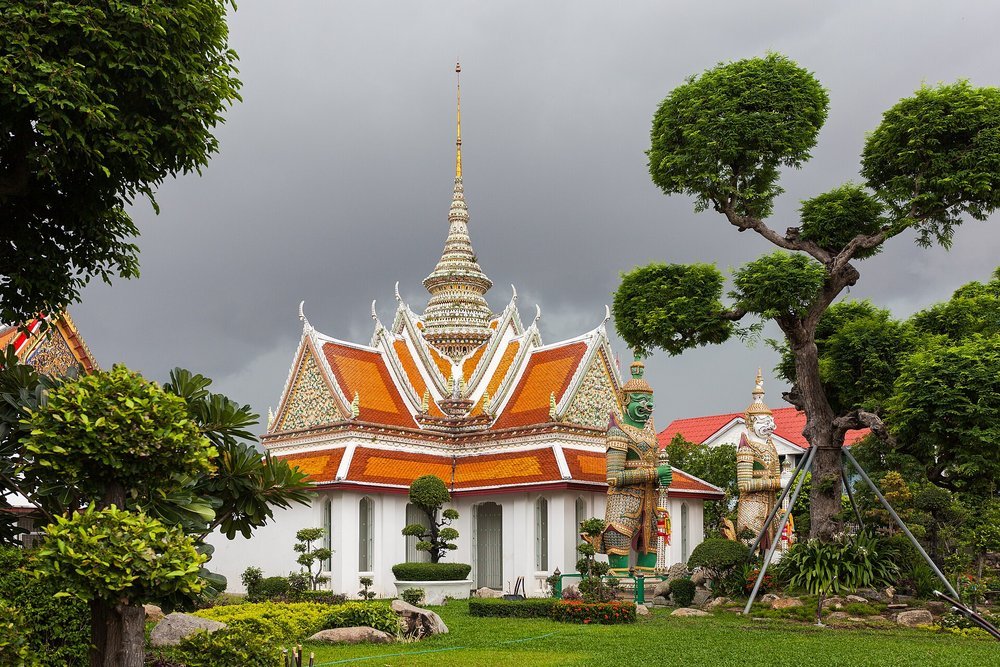
The appeal is broad. Thailand combines beaches and islands, historic temples and palaces, a celebrated food culture, bustling cities and a well-developed hospitality industry at a wide range of price points. That mix draws visitors from across the Asia-Pacific and from further afield, spreading arrivals across many source markets rather than depending on a single one.
The economic effect reaches far beyond hotels. Tourist spending flows into airlines and local transport, restaurants and street food, markets and retail, tour operators, and a large informal economy of small vendors and service providers. Because the money is distributed so widely, tourism supports livelihoods in both major cities and smaller coastal and provincial areas.
This breadth is a strength in good times and a weakness in bad ones. When visitor numbers fall sharply — during a global downturn, a health crisis or a regional shock — the loss ripples quickly through all those connected sectors. The same features that make tourism such a powerful contributor also make the economy sensitive to anything that keeps travellers away.
Seasonality adds another layer. Arrivals typically rise and fall with the weather and with holiday periods in key source countries, so businesses that depend on tourism must manage uneven demand across the year.
Policymakers have long sought to manage these risks by encouraging visitors to travel beyond the best-known destinations, extending stays, attracting higher-spending travellers and promoting the country year-round. There is also growing attention to the pressures that heavy tourism places on popular sites and the environment, and to making the industry more sustainable.
The bottom line is that tourism is both a pillar and a pressure point. It brings in foreign earnings, creates jobs across the economy and showcases the country to the world — while leaving Thailand exposed whenever global travel is disrupted. How well the country diversifies and strengthens the sector will shape a large part of its economic story.